

Beyond the Bench: How Scientists Can Take Ownership of Their Careers
A research career is not a single track. It is a series of experiments in skills, relationships, and problems worth solving.
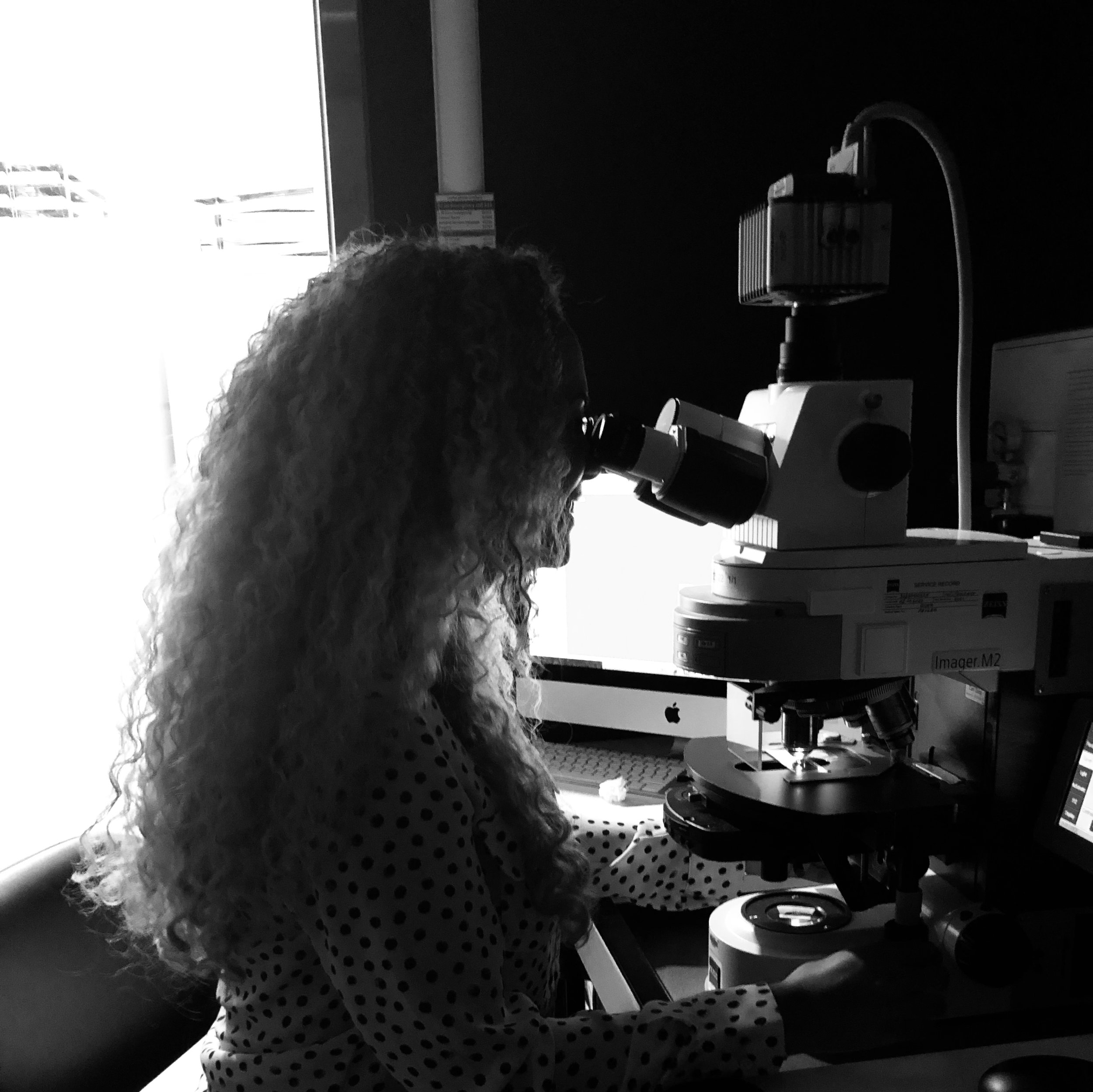
The day I performed my first killer experiment.
During my postdoc, I spent a very long time waiting for a collaborator to send me data.
Normally, that sentence would introduce a story about frustration. Mine turned into something else.
It was during COVID, when scientific meetings had suddenly moved online. I used the unexpected space to attend oncology congresses and listen to clinicians discussing DNA repair testing. I already knew there was a clinical need. What I had not fully understood was how severe it was.
These tests help determine whether a cancer patient should receive a particular therapy. Yet clinicians were dealing with practical limitations, including false positives and false negatives. I was sitting in a DNA repair laboratory, studying common fragile sites and the mechanisms that maintain genomic stability, when the question changed.
It was no longer only: What can we discover?
It became: Why are the current tests failing clinicians, and can I help solve that problem?
That was my lightbulb moment. It also marked the beginning of my entrepreneurial journey.
At a recent Crick panel, Beyond the Bench: Leading Your Career, I joined Tapoka Mkandawire, Roberta Migale, and Nelio Lacerda Rodrigues to discuss how scientists move from research into very different kinds of work. Between us, the paths included academic leadership, data science, publishing and entrepreneurship. None of them followed a neat plan.
That may be the most useful place to begin.
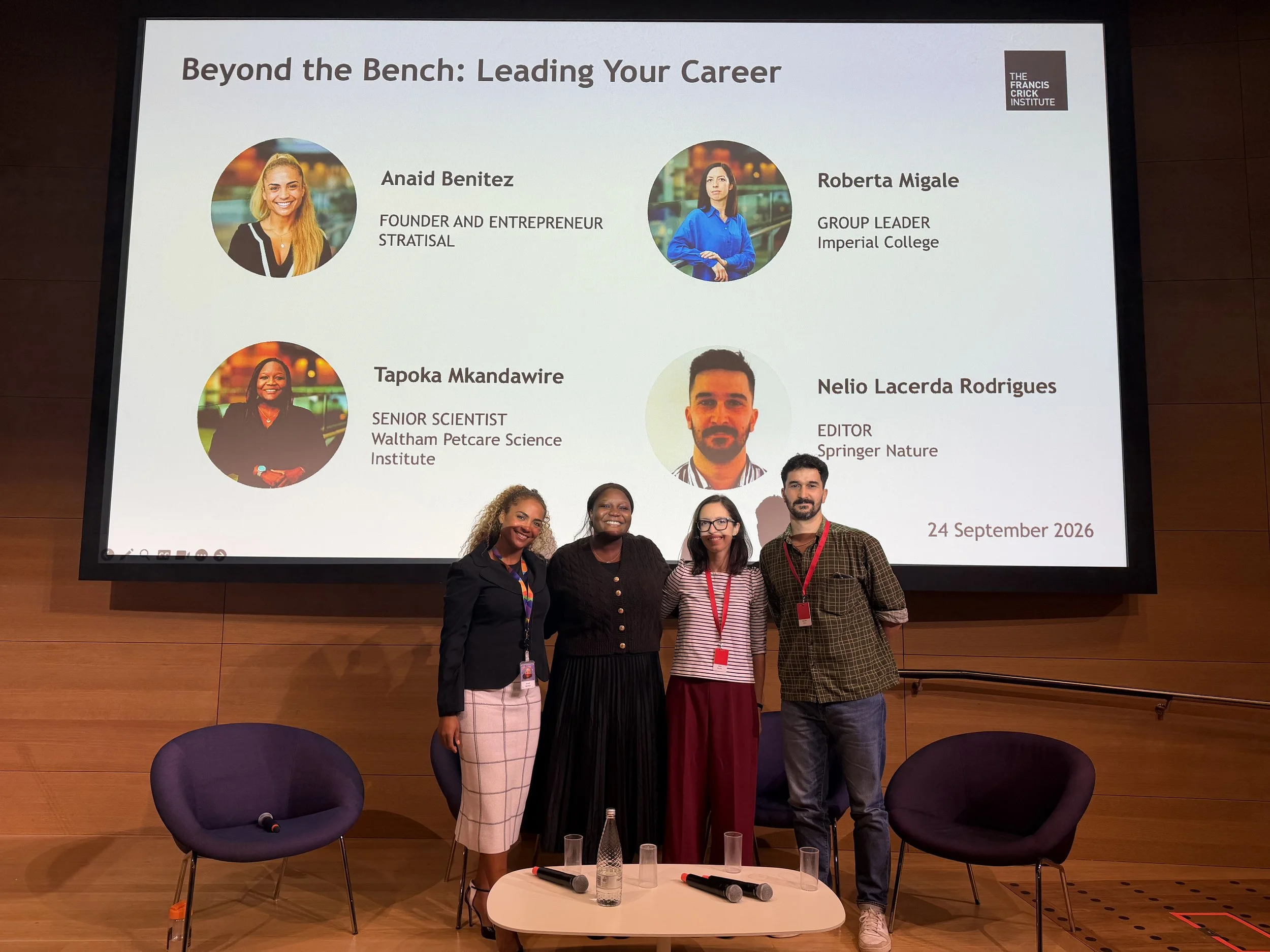
Our take on self-leadership.
A scientific career is not a straight line
Scientists are trained to work with uncertainty in the laboratory, yet we often expect certainty from our careers.
We imagine that a PhD should point towards a postdoc, a postdoc towards a group-leader position, and each decision towards the next obvious rung. When that sequence changes, it can feel as though the experiment has failed.
But the careers discussed on the panel looked much more like science itself: observations led to questions; questions led to small experiments; some results opened a direction and others ruled one out.
Tapoka moved from microbiome research into parasitology, combined wet-lab work with bioinformatics and eventually took those skills into pet-health data science. Roberta’s route included reproductive biology, postdoctoral research in ovarian biology and the move to lead her own academic group. Nelio carried scientific training into publishing.
My route moved from DNA repair research towards translation and company-building. Not because I stopped caring about the science, but because I became more interested in what the science could do.
The better career question is therefore not, What is the correct path for someone with my degree? It is, Which problems, environments and ways of working bring out my best contribution?
Before I knew what entrepreneurship was all about.
Self-leadership begins before the system is ready
Starting a company while working as a postdoc was difficult partly because the supporting infrastructure was still developing around me.
When I joined the Crick, there was genuine enthusiasm for translation, but many of the programmes and pathways that researchers can now access were not yet fully defined. I was developing an idea whilst the institution was also developing its approach to translation. There was plenty of back and forth, and not always an obvious person who could tell me what the next step should be.
Self-leadership, in that situation, did not mean having all the answers. It meant taking ownership of the next useful action.
I knew three things:
I wanted to progress the idea,
I was passionate about the clinical problem, and
I was in an environment with scientific expertise and people who supported me.
So I joined external accelerator programmes. I learned how to translate a scientific idea into a proposition other people could evaluate. I brought those skills and data back into the Crick, secured translation funding, and continued building the work with the backing of my group leader, Stephen C. West.
There was no grand moment when the uncertainty disappeared. I simply became more capable of moving through it. That distinction matters. Waiting for a perfect programme, title or permission structure can look responsible, but sometimes it is only a more respectable form of standing still.
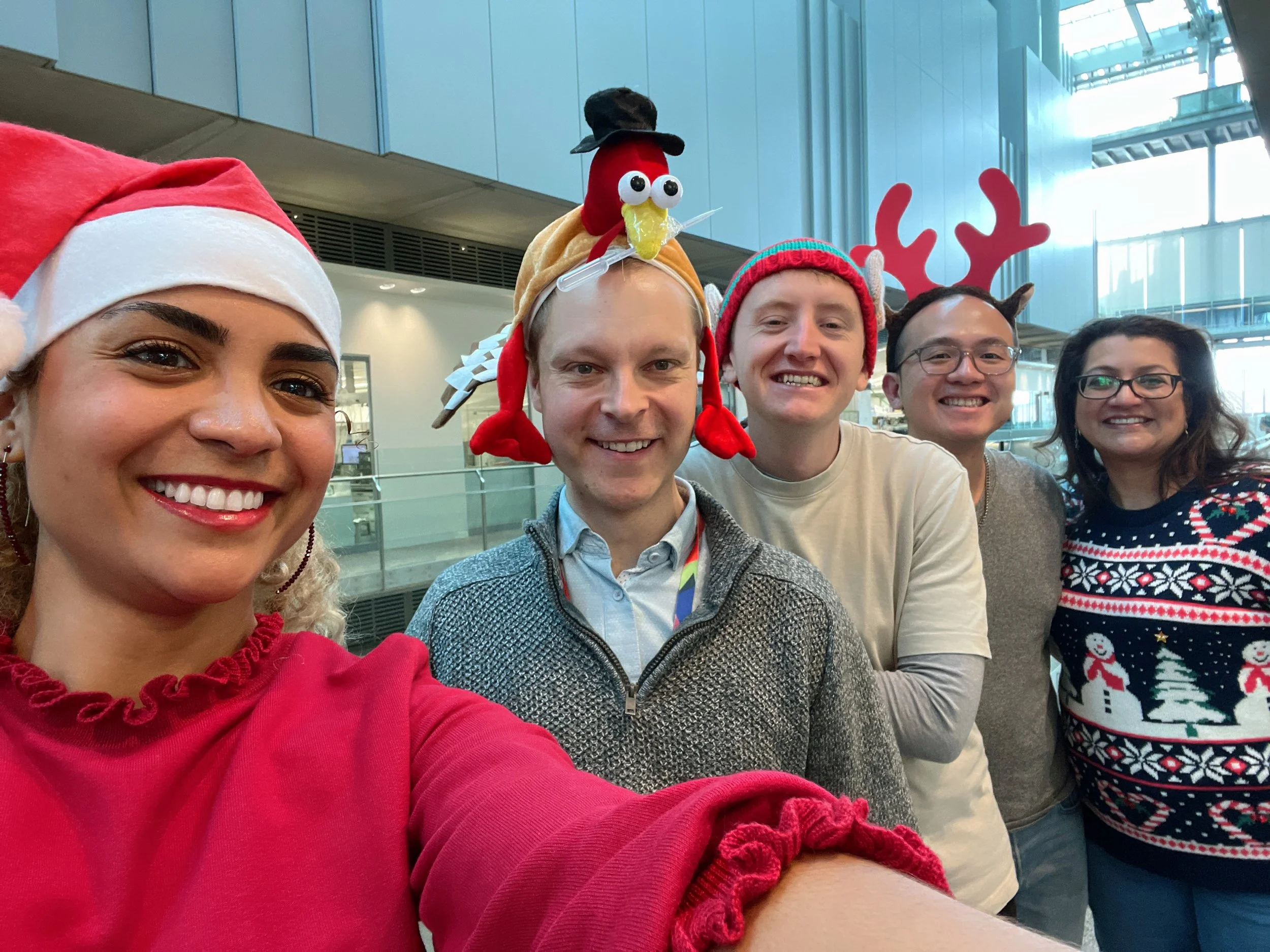
Lab’s Christmas Lunch
Taking ownership does not mean doing everything alone
Roberta made an important distinction during our discussion: self-leadership is not solitary leadership.
Her advice was to build a system in which you are never alone. A network of mentors, peers and supporters who can challenge you, lift you and notice when your own motivation is not enough. The time to build that network is before the setback arrives.
I recognise that in my own experience. My progress depended on people in my lab taking the idea seriously, a group leader willing to support the work, translation colleagues learning alongside me, and external programmes that gave me access to expertise and funding I did not yet have. Even a Secret Santa gift about starting a life-science company arrived as a small vote of confidence at exactly the right time.
The popular image of the entrepreneur is an individual with unusual conviction. The reality is much more collective. Ownership means accepting responsibility for forward motion; it does not mean pretending you can supply every skill, introduction and answer yourself.
Build career options before you need them
Most researchers know they should spend time on career development. The problem is that the experiment is always urgent, another analysis needs finishing, and the next deadline is already visible.
I admitted on the panel that my own strategy has often been to do as many things as possible with the time available. Every so often, I look at my CV and imagine the worst-case scenario: if the startup fails and I need another job, what might I want to do? What experience would that path require? Then I start a course, a programme or another piece of training that might get me there. This might not be the best strategy, but it has helped me build options.
A simple version looks like this:
Choose one possible future, not your forever career, just a role worth investigating.
Find several people doing that work now.
Backtrack. What experiences, skills and relationships helped them arrive there?
Compare that path with your current CV.
Design one small experiment to close a gap.
The experiment might be teaching a workshop, joining a leadership programme, volunteering for public engagement, learning how a translation team evaluates an idea, or having a conversation with someone in industry.
Not every experiment should convince you to continue. Nelio once spoke with someone at a consulting company in a conversation that felt almost like an interview. Understanding the day-to-day reality helped him decide that, at that moment, he wanted to explore something else.
That was a useful outcome. Networking is not only about opening doors. Sometimes it helps you close one confidently.
The Crick library is a good starting point.
Do not leave leadership practice until you have the title
Researchers often treat leadership as something that begins when they become a PI, founder or manager. By then, other people already depend on them.
Leadership can be practised much earlier and in lower-risk settings. Teaching is one route. Anyone considering a university group-leader position should accumulate teaching experience over time: didactic classes, interactive workshops and work with learners at different levels. A credible teaching record cannot be manufactured in the final six months before an application.
Structured programmes can also create useful simulations. In Resilient Leaders in Action, for example, participants lead unfamiliar people through challenges while holding different pieces of information. It is a safe way to experience ambiguity, communication problems and competing priorities, which are the normal conditions of leadership.
Translation programmes, Postdoc to Industry schemes and accelerators serve a similar purpose. They allow scientists to try another professional language before committing to a new identity.
The point is not to collect certificates. It is to gather evidence about yourself. What happens when you lead? Which problems keep your attention? What kind of team do you enjoy? Which skills transfer more easily than you expected, and which ones need real work?

This is for me - This is for science team - winning!
Your expertise is bigger than your experimental technique
Near the end of the panel, we were asked which skill or mindset researchers should develop to take greater ownership of their careers.
Tapoka spoke about confidence: the tendency to wait for someone else to announce that we are experts. By the time that recognition arrives, someone may already be depending on us to act like one. Confidence is not claiming to know everything; it is knowing enough about your expertise to assess accurately what you do and do not know.
My own advice was more physical: get out of the lab.
Whatever direction you choose, you will need to establish collaborations, lead people, explain ideas and understand how other parts of a system work. You can begin developing those abilities whilst you are still doing your science.
Academia can become a comfort zone even when it feels difficult. Its expectations, incentives and language are familiar. Stepping outside it can feel disorientating, but it reveals how much of your scientific training travels with you: forming hypotheses, learning quickly, working through incomplete information, evaluating evidence, and changing direction when the data demands it.
You do not need to abandon the bench to discover that. You do need to look up from it.
My journey into entrepreneurship began with a delay, an online congress, and a clinical problem I could no longer ignore. It continued because I treated uncertainty as something to investigate rather than something to eliminate before moving.
Your next step may be industry, academia, publishing, data science, entrepreneurship, or something you have not yet encountered. The way to find out is not to wait for a perfect career plan.
Run the next experiment.
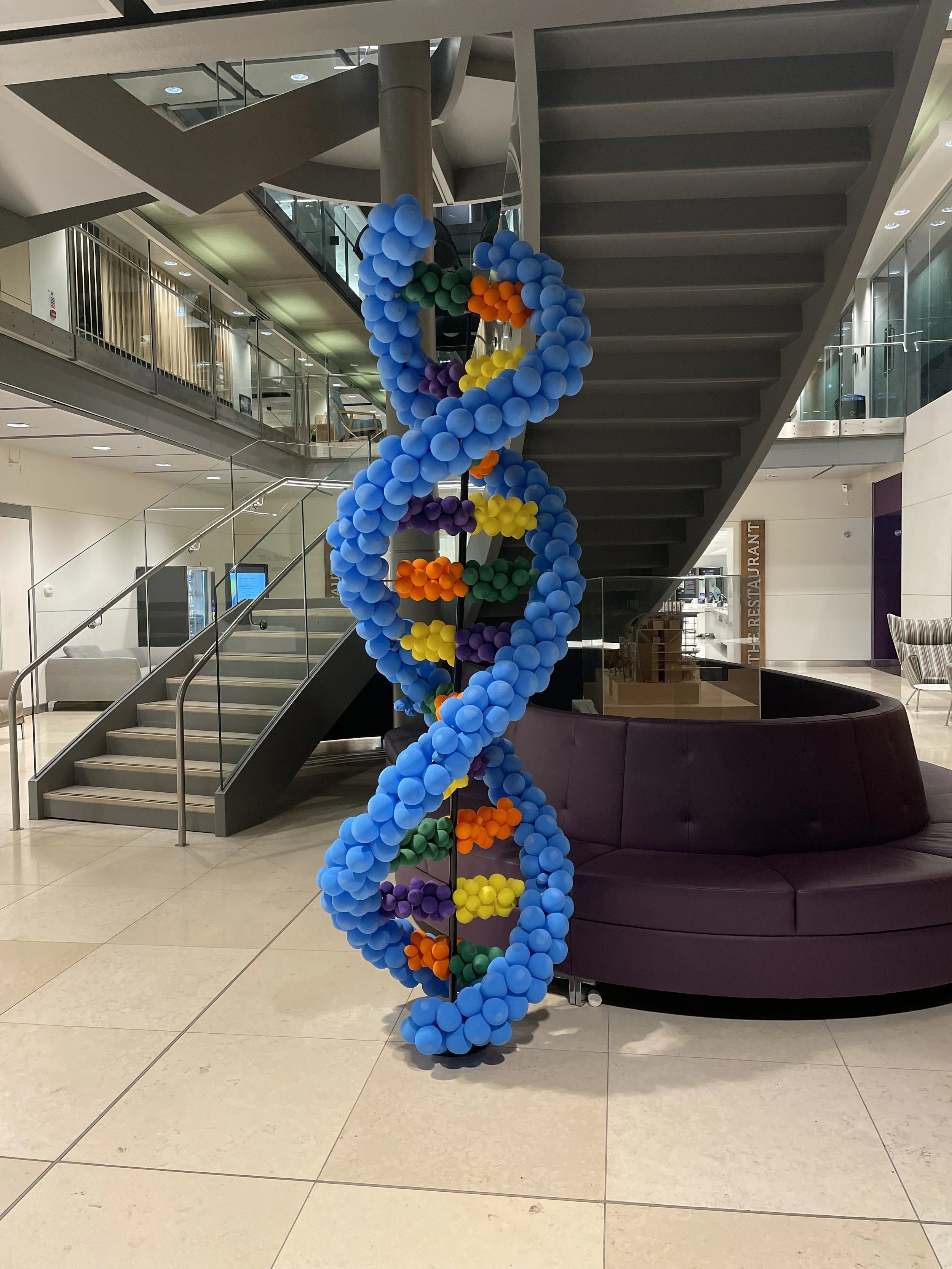
Crick installation.